

Basic chevre take #2 with raw milk
Let’s just start by saying that this has been a very interesting difference between making cheese with pasteurized milk and making cheese with raw milk. Now I realize that there are a lot of countries where raw milk is illegal but here in Europe is it fairly easy to get. I didn’t know this until I actually started with this whole cheese making business but I have since found out that it is illegal in both US and Canada although there are quite a few states in the US where it IS legal to buy. In France it is considered very normal to produce raw milk cheeses and I gotta be honest here; up until recently I had no idea what all the fuzz with raw milk cheeses was all about!
Sure I know you shouldn’t have that when pregnant, sick or elderly but well since I am neither of those it’s just one of those things, right? I eat cheese and don’t worry about the origin of the milk that it was made of. But… even though raw milk IS legal here in the Netherlands, it is not something you find on every corner of the street. You have to go in search of it. Growing up I had plenty of raw milk, since my friends parents had a farm with milk cows and we would drink it sometimes straight from the cow. Warm and all… It doesn’t get any better then that… But those days are long gone and finding raw milk in Almere is virtually impossible. And then again, there is a big difference between finding raw cow’s milk or goat milk, which is even harder.
But I googled and found a goatfarm in Amsterdam, so not too far away and since I had time I drove over there on a thursday morning. It was lovely weather and all the goats where enjoying themselves out in the pasture. What is better then that? I loved the place called Ridammerhoeve and yes, it is fairly commercial as they try to make a living out of it but what is wrong with that. They sell goat’s meat as well, but haven’t looked into that. Will definitely be back!
I was looking around for bottles of goatmilk but you actually had to tap them yourself from a large cooled container. On the container it is also mentioned that in order to pasteurize your milk heat to 72 C. Just so you know…
I got myself 3 liters, allowing for a little spilling since was planning to make the cheese with 2 liters. I was pretty much determined to follow the exact same method I had used the first time just so I would be able to see the difference between cheese a and b. So I heated the milk again and put it into the oven to stand there for 12 hours.
Now as you can see there is a clear separation between the whey and the curd. This was after about 10 hours. I needed to use the oven so took out the pot with milk and let it stand on the counter top for the remaining two hours. Not sure if that was necessary but thought I follow the procedure. Then I used a slotted spoon and scooped all the curds out of the pot and into the waiting colander lined with cheesecloth. This was different as last time I dropped the whole pot in in one go which was advised against.
Now the curd already looked very different from the first batch. The whey started draining away immediately and after only 4 hours the cheese was already firmer then the other one ever got after 55 hours of hanging!
Now I probably should have opted to remove the cheese from the cloth at that point but I left it overnight. By that time it was midnight, I was tired and just wanted to go to sleep and not roll cheese..
So I left it hanging. Waking up early the next morning it had firmed up even more and that little bit of liquid you see on top in the picture above was gone.
I broke the ball of cheese into two parts and as you can see it is very firm and almost crumbly in texture. Now I do like my goatcheese to have this texture but it is sadly lacking in the flavor department. I wanted to roll it into a log although I might have just left it into this ball shape it was in as breaking it up, resulted in this
I wanted to rol this one in parsley but that didn’t really work very smoothly, so I should have probably done something else. I added more salt to at this point, wrapped it in plastic and put it in the fridge.
Interesting point is that I got 170 gr (roughly)from the first batch of 2 liter. Out of this second batch I got a whopping 350 gr of cheese! That is double the qty!
Now was the cheese tasting better then the first batch? Sadly no. To be honest that is not really a surprise as the flavor of the other cheese had much longer to develop plus I added more salt into the curds everytime I stirred it, so there was more taste to it and the goat flavor is stronger too. I didn’t expect it to work so quickly this time so was not quick enough with adding the salt. I wonder what is going to happen if I leave it in the fridge for a couple more days. Will it develop more flavor? Salt has been added now again after using it for the sandwich you see.
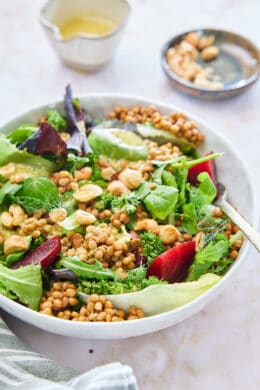
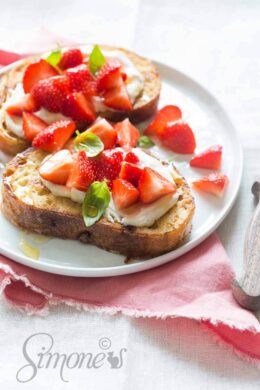
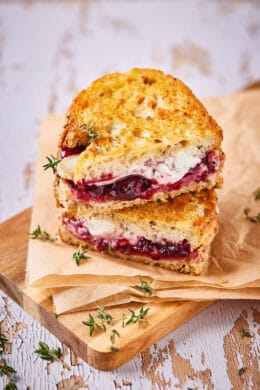
While the flavor overall was very mild, it was still good and once you added some other flavors it did work. The sandwich I made looks a lot like the salad I had before doesn’t it?
I had some of that delicious dressing leftover so I used that together with the leftover figs and had some rocket instead of the butterlettuce I had with the salad.
Here are my tasting notes for the second batch of goatcheese with raw milk, after 1 day. (assuming the flavors will develop more once time progresses)
- Appearance: very dry and grainy
- Nose (aroma): hardly any smell at all
- Overall Taste: the flavor is very mild. At this moment it doesn’t really taste like goatcheese at all.
- Sweet to Salty: Sweet
- Mild (mellow) to Robust to Pungent (stinky): Very mild
- Mouth Feel: (gritty, sandy, chewy, greasy, gummy, etc.): Even though the appearance is dry, once you put it in your mouth there is not a lot of structure and it is fairly smooth
You can find the recipe I used for both version here. And since I just know you want to find out what I put on that sandwich, here’s the recipe for that plus some extra notes on the goatcheese recipe.
In fact, now that I have made this twice I am going to do it again but then add more salt to the mix prior to draining. Or I am going to try the supermarket milk again as I do think that is promising as well… So many choices!
Thinking about it some more I think I may have used a tiny bit too much rennet in my second batch of goatcheese. I was trying to figure out why it was so firm and looking through Mary’s book, I think it is a good assumption that I did indeed use too much. Mmmm, I can feel more goatcheese making coming up soon!
Goat cheese sandwich
Yield: 1
Ingredients:
- 1 bun
- goatcheese
- rocket (arugula)
- raspberry dressing
- 1-2 figs
- 1/4 tbsp of honey
Directions:
- Cut your bread in two and put some of the rocket on top of the bottom half. Crumble your goatcheese over it and add the pieces of fig on top as well. Drizzle the raspberry dressing over the top and add some honey and a sprinkle of salt to finish it of.
Notes on the goatcheese; The goatcheese has been hanging for a total of 12 hrs. It was so crumbly that you couldn't make a log out of it really without breaking up the entire cheese.
This post is part of Cheesepalooza where we make a different kind of cheese every month! More details you can find here


Appetizer
Asian
Bread
Breakfast
Desserts & other sweets
Healthy
I love reading about your adventures in goat cheese, this is awesome! I’ve never attempted making my own cheese of any kind, I can’t wait to see how your 3rd batch comes out
[Reply]
Simone (junglefrog) — September 26th, 2012 at 22:40
Thanks Jenn! You should try it too, it is so much fun.. Gotta go and get me some more milk to play with..
[Reply]
Oh, I love farm animals, and especially goats and pigs! So cute.
That cheese must be so silky and taste divine.
Cheers,
Rosa
[Reply]
Simone (junglefrog) — September 26th, 2012 at 22:41
Little goats and little pigs are just the cutest ever in my book!
[Reply]
Congrats! Great work! I never tried raw milk for cheese making because it isn’t so easy to get here. But a few weeks ago I found a local farmer. A young couple is selling milk products from goats. So here I am now trying and entering a new field. I like your “behind the scene” shots and information, very helpful. I love goat cheese with mild flavors and not a too strong taste.
Looking forward to your next batch, Simone!
Hugs, Sandy
[Reply]
Simone (junglefrog) — September 26th, 2012 at 22:42
O great Sandy! It’s a little daunting at times to make my own cheese but I am loving the process and through trial and error (and a lot of fun) there is so much to learn!
[Reply]
I haven’t started my chevre yet, but seeing yours has inspired me so much! I didn’t buy the book yet so I’m using the recipe posted. I love that you made two versions using two goat milk’s and all the detailed comparisons are so helpful to me! That sandwich looks incredibly fabulous! Ok, wish me luck!!
[Reply]
Simone (junglefrog) — September 26th, 2012 at 22:43
So far I haven’t actually used any of the official recipes yet as there is always something missing in my ingredients and then Valerie’s recipes usually come to the rescue. Can’t wait to see what you make and good luck!
[Reply]
These two goat cheese posts are fascinating! I could get raw milk in New Hampshire, but not now that we are in California., although I’m still determined to try this using regular milk. The visit to the goat farm looks like such fun!
[Reply]
Simone (junglefrog) — September 26th, 2012 at 22:43
Regular milk works as well as long as it is not too highly pasteurized I think..
[Reply]
I have never tried making cheese but enjoyed reading about your experience. Perhaps one day I will give it a try. That sandwich with the figs looks delicious.
[Reply]
Simone (junglefrog) — September 26th, 2012 at 22:43
That sandwich was indeed delicious norma!
[Reply]
Ah, goat cheese! I’m pairing this with a Loire Valley Sauvignon blanc
Can’t wait to try the recipe!
[Reply]
Simone (junglefrog) — September 26th, 2012 at 22:44
O yes one glass for me please too!
[Reply]
What a great post! I adore goats cheese
[Reply]
Simone (junglefrog) — September 26th, 2012 at 22:44
Thanks! I just wish my ‘stud’ would like it too!
[Reply]
How cool you’re making your own cheese! It’s one of those things I plan on doing “some time”… I love everything goat cheese and remember you do too, but only when Tom is out, right?!;)
[Reply]
Simone (junglefrog) — September 26th, 2012 at 22:45
Hahaha… yes you remembered that very well Denise! He is not too fond of that goatcheese smell lingering around the house lately!
[Reply]
Super post. I thoroughly enjoyed your experiment with raw milk. I live in the US, so it’s impossible to find cheese made with raw milk, but I understand if you look around, you can buy the raw milk. Very interesting that there wasn’t a flavor difference. I’ll be interested if you experiment further, and decide that with a slightly different procedure (less rennet, more salt) that there’s a more distinct difference. Thoroughly enjoyable post – thank you.
[Reply]
Simone (junglefrog) — September 26th, 2012 at 22:45
Thanks so much and yes I haven’t been around to start with batch three but hope to get some more raw milk next week…
[Reply]
As a kid we always used to get raw milk which was then boiled before we consumed it. I never tried goat cheese till now. Your look very appetizing .. i must say!
[Reply]
Simone (junglefrog) — September 26th, 2012 at 22:46
It is Kankana. It’s all gone now.. (didn’t make a lot) but can’t wait to make batch number three!
[Reply]
I want to try cheese soon so it’s been most interesting to read of your adventure but I have to say all I can think of is…those animals are so adorable! They get me every time!
Your first photo is gorgeous; makes me want to run out now and get started so I can make it too!
[Reply]
Simone (junglefrog) — September 26th, 2012 at 22:47
Thanks Barbara! O I hope you do make cheese soon. it is so much fun! And yes those animals are the cutest… Can’t wait to see them again!
[Reply]
Simone!
What a beautiful experience. I wish I could visit that gorgeous goat farm with you! Our quest for making food does take us to some very unusual and gorgeous places, for sure! What a story! Yes – basic chevre is usually very mild in flavour – and the longer out of the fridge – or the time of year and what the goats have eaten – will make the flavour more “goaty”. I prefer it mild. The outer layer of yours was the same as my first batch. The photos look similar! I scooped the centre out of it for the soft logs, and used the outer layer for crumbling. Great cheese lesson, eh? I love comparing. Just in the process of doing the Halloumi comparison – have to wait until 5 days in the brine, and then will sample the one I made at home.
Great read, my dear friend in Cheese!
V
[Reply]
Simone (junglefrog) — September 26th, 2012 at 22:48
I loved your halloumi posts Valerie and seriously, that feta and halloumi are winking at me all the time. A little scared though as it seems the real work is now starting!
[Reply]
Your cheese looks wonderful! I made cheese once before and, although it was also very mild, and I actually got a tiny amount out of it, I so enjoyed the process and enjoyed eating my very own homemade cheese! Must do it again soon. I have no access to goats milk but I can get my hands on raw water buffalo milk (our native carabao which has the fattiest milk ever!)….will try that next time!
[Reply]
Simone (junglefrog) — September 26th, 2012 at 22:48
Well does that mean you can make mozarella? I have no idea but I am sure you can make some kind of delicious cheese with buffalo milk!
[Reply]
Oh, those adorable baby animals! Those photos tug at my heart, they are so precious. I wish I could have such an experience some day, especially since I’m not so far from farmlands. Thanks for the beautiful reminder, I must seek out more adventures…
[Reply]
Simone (junglefrog) — September 26th, 2012 at 22:49
They are very cute aren’t they? I cannot wait to go back to the farm and see what they have then…
[Reply]
Georgous & beautiful pics, Simone!
I loved reading all about the difference in raw & normal cheeses! Thank you for this!
A superb sandwich! Yummy Yum!
[Reply]
Simone (junglefrog) — September 26th, 2012 at 22:49
Thanks so much Sophie!
[Reply]
I enjoyed looking at all your gorgeous photos. Even after four years of making cheese, I still find it difficult to pick up my camera when I am involved with curds and whey. Your chevre looks lovely.
[Reply]
Simone (junglefrog) — September 26th, 2012 at 22:49
O you’re a cheese making pro! Thanks!
[Reply]
You know back home we still get warm fresh milk delivered at home. Last summer when I home one day I was thrilled to see the same bike parked outside our gate!! almost 20 years later, the same person is still delivering (hopefully the cows are diff. LOL ).. I am not fond of milk at all.. but life long I have had fresh milk which used to be boiled until the layer of cream formed on the top (eeeeewww for me ) several times. Only after coming here I get packaged milk. The photos of the farm are so charming!!! I feel like picking up those white divine animals:) love the look of the cheese with the herbs esp.
make paneer!!!!
see I I start pushing? ;P
really neat design Simone.. love the look.
[Reply]
Simone (junglefrog) — September 26th, 2012 at 22:50
I WILL make paneer… See? I just promised you I will do it… In fact.. now that I think of it; I might have a go at it this week or beginning of next week!
[Reply]
This is a great post Simone. I love making cheese and there is just no comparison between raw and pasteurized! Raw wins out every time!
[Reply]